How to Use Your FSA or HSA to Pay for Therapy
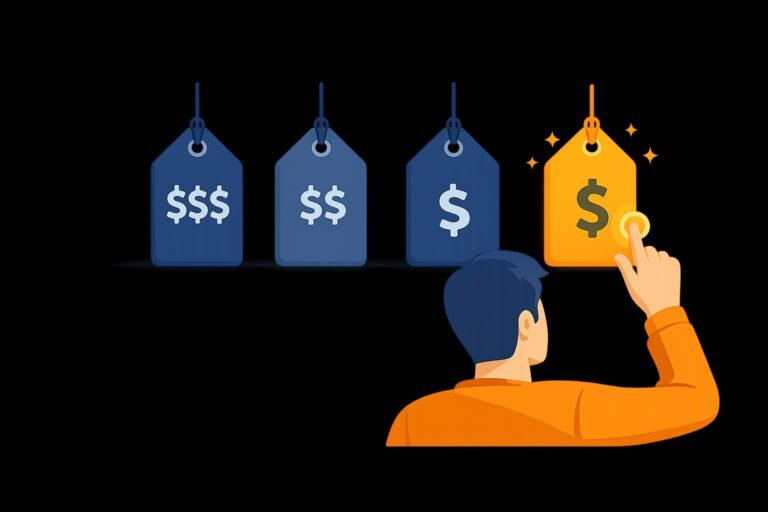
If you have a Flexible Spending Account (FSA) or Health Savings Account (HSA) through your employer, you have a simple way to reduce the cost of therapy by 20–35%: use it to pay for mental health expenses.
Why This Works
Both FSAs and HSAs are funded with pre-tax dollars. If you’re in the 22% tax bracket and pay $5,000 in therapy through an FSA, you’ve effectively gotten a 22% discount compared to paying with after-tax money. That’s $1,100 in real savings.
What Mental Health Expenses Qualify?
- Therapy and counseling sessions with licensed mental health providers
- Psychiatry appointments (including medication management)
- Mental health inpatient treatment
- Substance abuse treatment
- Prescription medications for mental health conditions
Note: As of 2023, online therapy platforms including BetterHelp and Talkspace qualify as FSA/HSA expenses when you’re seeing a licensed therapist.
FSA vs HSA: Key Differences
| Feature | FSA | HSA |
|---|---|---|
| Who can use it | Any employer plan | High-deductible plan only |
| Rolls over | Limited ($640 max) | Yes, indefinitely |
| Invests | No | Yes |
| 2026 contribution limit | $3,300 | $4,300 individual |
How to Pay for Therapy With Your FSA/HSA
- Pay for therapy sessions using your FSA/HSA debit card directly, OR
- Pay out of pocket and submit for reimbursement with a receipt and explanation of services
- Keep receipts for all mental health expenses — the IRS may ask for documentation
If You Don’t Have an FSA or HSA
During your employer’s open enrollment period, consider enrolling in an FSA or switching to a high-deductible health plan with an HSA if you anticipate significant therapy expenses. The tax savings can be substantial over a full year of weekly sessions.