Therapy Costs · therapyinsuranceguide.com How Much Does Therapy Cost Without Insurance in 2026?
Therapy costs vary widely depending on the type of therapist, location, format, and whether you’re paying out-of-pocket or using insurance. Without insurance, sessions range from $0 (community mental health centers) to $300+ per hour (licensed psychologists in high cost-of-living cities). This guide breaks down every cost tier so you can find care that fits your budget.
Average Therapy Costs Without Insurance in 2026
| Therapist Type | Typical Cost/Session |
|---|---|
| Psychiatrist (MD) | $200–$500 |
| Licensed Psychologist (PhD/PsyD) | $150–$300 |
| Licensed Clinical Social Worker (LCSW) | $100–$200 |
| Licensed Professional Counselor (LPC/LPCC) | $100–$180 |
| Marriage & Family Therapist (LMFT) | $100–$200 |
| Graduate intern (supervised) | $20–$60 |
| Online therapy platforms | $60–$100/week |
| Community mental health center | $0–$50 sliding scale |
Affordable Therapy Options: Ranked by Cost
Free or Near-Free Options
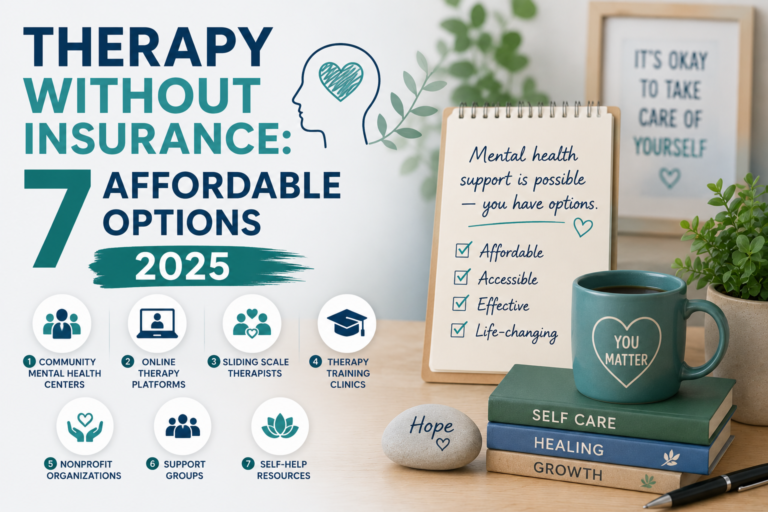
Community Mental Health Centers: Federally funded centers offer therapy on sliding scale fees based on income. Many people with low or moderate incomes pay $0–$20/session. Find your nearest center at samhsa.gov/find-help/national-helpline. Wait lists exist at some locations but services are real and licensed.
Federally Qualified Health Centers (FQHCs): These community health centers offer integrated physical and mental health care on sliding scale fees. They serve patients regardless of ability to pay. Find locations at findahealthcenter.hrsa.gov.
Employee Assistance Programs (EAPs): If you’re employed, your employer may offer free therapy sessions through an EAP. Typically 3–12 sessions per year. Check with HR — this is the most underutilized free therapy resource available.
Open Path Collective: A network of licensed therapists who offer sessions at $30–$80 for individuals and $30–$80 for couples, specifically for clients without insurance or financial hardship. Browse therapists at openpathcollective.org. One-time $65 membership fee gives permanent access.
Low-Cost Options: $20–$80/Session
University and Training Clinics: Graduate programs in psychology, social work, and counseling run training clinics where supervised pre-licensed therapists provide therapy at significantly reduced rates. The therapists are students — but they’re trained in evidence-based methods, carefully supervised by licensed clinicians, and often highly motivated. Sessions typically cost $10–$50.
Sliding Scale Therapists: Many private practice therapists offer sliding scale fees for clients facing financial hardship. The scale might run from $50 to $150/session based on income. You typically need to ask directly — therapists don’t always advertise this. Search therapists on Psychology Today and filter for “sliding scale.”
Group Therapy: Group therapy runs $30–$80/session (vs $100–$200 for individual) and is clinically effective for depression, anxiety, grief, and many other concerns. It also provides the added benefit of peer connection and shared experience.
Online Therapy: $60–$100/Week
Platforms like BetterHelp ($65–$100/week) and Talkspace ($69–$109/week) make therapy accessible without geographic limitations. At $280–$400/month, online therapy is less expensive than traditional private practice if you’re paying out-of-pocket and seeing a therapist weekly. See our comparison of BetterHelp vs Talkspace and our guide to online therapy that takes insurance for platforms that can reduce this cost.
How to Reduce Therapy Costs Even Without Insurance
- Use FSA/HSA funds: Therapy is a qualified medical expense. Even without employer insurance, if you have a HSA from a high-deductible health plan, you can use pre-tax dollars to pay for therapy
- Ask about frequency adjustments: Biweekly sessions (every 2 weeks) instead of weekly cuts your monthly cost in half while maintaining a therapeutic relationship
- Request superbills: Even if your therapist doesn’t accept insurance, they can provide a superbill for out-of-network reimbursement if you have any insurance coverage
- Check for specialty reduced-cost programs: Many communities have free or reduced-cost therapy for specific populations — veterans, domestic violence survivors, cancer patients, LGBTQ+ individuals. Search “[your city] free therapy [your situation]”
Is Cheaper Therapy Less Effective?
Research does not support the idea that more expensive therapy is more effective. Outcome studies consistently find that the therapeutic alliance — the quality of the relationship between therapist and client — is the strongest predictor of therapy success, not the therapist’s credential level or hourly rate. A supervised graduate intern with whom you have strong rapport may produce better outcomes than an expensive psychologist with whom you feel uncomfortable. Effectiveness comes from fit, not fee.
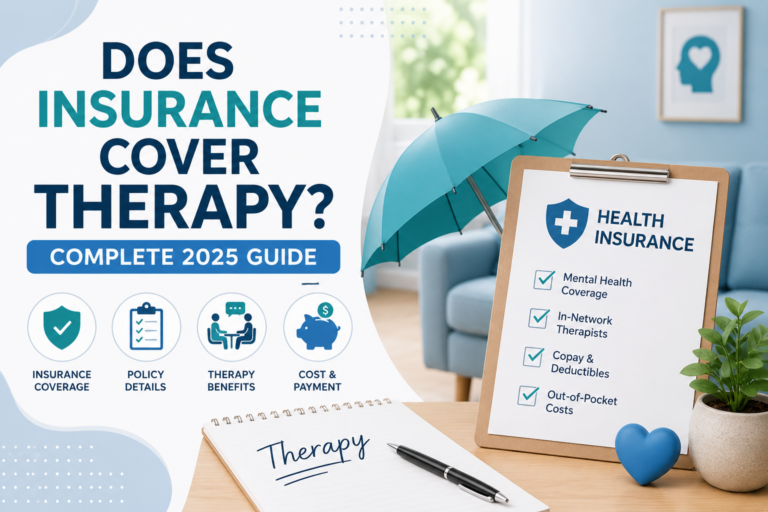
If you have insurance, make sure you’re maximizing those benefits first — see our complete guide to does insurance cover therapy.
Frequently Asked Questions
Can I negotiate therapy rates with a private practice therapist?
Yes. Many therapists are willing to negotiate rates for clients who are genuinely unable to afford their standard fee. Be honest and direct: “I’m very interested in working with you but your standard rate is beyond what I can currently afford. Do you have any flexibility or sliding scale availability?” The worst answer is no — and many therapists will find a way to work with you.
How many therapy sessions will I need?
It depends on your goals and diagnosis. Brief treatment models for specific issues like phobias or grief run 6–12 sessions. Ongoing therapy for depression, trauma, or complex anxiety may continue for months or years. Most people see meaningful improvement within 8–12 sessions of evidence-based treatment for common conditions.
Is online therapy as effective as in-person?
A robust body of research supports the effectiveness of video therapy for depression, anxiety, PTSD, and most common mental health concerns — comparable to in-person therapy outcomes. In-person therapy may have advantages for severe mental illness, trauma requiring somatic approaches, or for people who struggle with the technology.
Find Affordable Therapy Near You
Our free directory connects you to sliding scale and low-cost therapists in your area.