How to Use Your EAP Benefits for Free Therapy — Complete Guide 2026
Millions of Americans are sitting on a benefit they have never used — and most do not even know it exists.
Employee Assistance Programmes (EAPs) are employer-sponsored benefits that provide free short-term counselling and mental health services — completely separate from your health insurance, with no copay, no deductible and no impact on your insurance premiums.
If your employer offers an EAP, you may be entitled to free therapy sessions right now.
What Is an EAP?
An Employee Assistance Programme is a confidential benefit offered by most medium and large employers. EAPs provide employees and their family members with free, short-term counselling for a wide range of issues:
- Anxiety and depression
- Workplace stress
- Relationship and family problems
- Grief and loss
- Substance use concerns
- Financial stress
- Legal concerns (many EAPs also include free legal consultations)
EAPs are completely separate from your health insurance. Using your EAP does not affect your insurance premiums, deductibles or coverage.
How Many Free Sessions Do EAPs Provide?
Most EAPs provide 3 to 12 free sessions per issue, per year. Common structures:
- 3 free sessions — basic EAP plans
- 6 free sessions — standard EAP plans
- 8 to 12 free sessions — comprehensive EAP plans
After EAP sessions are exhausted, you transition to your regular health insurance for continued care — often with the same therapist if they also accept your insurance.
Is EAP Therapy Confidential?
Yes — EAP services are strictly confidential. Your employer cannot access information about whether you used the EAP, what issues you discussed or what treatment you received. The only exceptions are the same as any therapy confidentiality exceptions — imminent risk of harm to self or others.
How to Access Your EAP Benefits
Step 1: Find your EAP information
Look in your employee benefits guide, your company intranet, your HR portal or contact your HR department. The EAP contact information is usually on your health insurance card or a separate EAP card.
Step 2: Call the EAP hotline
EAPs operate 24/7 hotlines. Call and say: “I would like to schedule a counselling session. Can you tell me how many sessions I am entitled to and how to find an EAP counsellor?”
Step 3: Request a counsellor who specialises in your concern
EAP coordinators will match you with a counsellor who has experience with your specific situation — anxiety, depression, relationship issues, grief, etc.
Step 4: Attend your free sessions
EAP sessions are typically 50 minutes and conducted by licensed therapists — the same quality as sessions you would pay for through insurance.
Step 5: Plan for after EAP sessions end
Before your last EAP session, discuss with your therapist whether you need ongoing care. If yes, find out whether your EAP therapist also accepts your health insurance — many do. If not, use our guide to find an in-network therapist.
What to Do When EAP Sessions Run Out
After your free EAP sessions are exhausted, you have several options:
Transition to health insurance: If your EAP therapist also accepts your health insurance, continue with them using your regular mental health benefits. Ask your therapist and your insurer to confirm in-network status.
Find a new in-network therapist: Use your insurance’s provider directory or Psychology Today to find an in-network therapist who accepts your plan.
Request additional EAP sessions: Some EAPs allow additional sessions for ongoing issues — ask your EAP coordinator.
Community mental health resources: If you have limited insurance coverage, community mental health centres offer sliding scale therapy.
EAP for Family Members
Most EAPs extend free sessions to immediate family members living in the same household — including spouses, children and sometimes domestic partners. This means your teenager’s anxiety or your partner’s work stress may qualify for free EAP sessions too.
Check your EAP terms specifically for family member eligibility.
Frequently Asked Questions
Can I use EAP if I am not sure I need therapy?
Yes. EAPs are designed for exactly this situation — you do not need a diagnosis or clinical referral to access EAP sessions. Many people use EAP for work stress, relationship concerns or life transitions that fall short of a clinical diagnosis.
Can my employer find out I used the EAP?
No. EAP services are strictly confidential. Your employer may receive aggregate, anonymised statistics about EAP utilisation — but never individual information about who used the service or for what reason.
Do EAP sessions count toward my insurance deductible?
No. EAP sessions are provided outside of your health insurance entirely. They do not count toward your deductible, your out-of-pocket maximum or any insurance limits.
What if my employer does not offer an EAP?
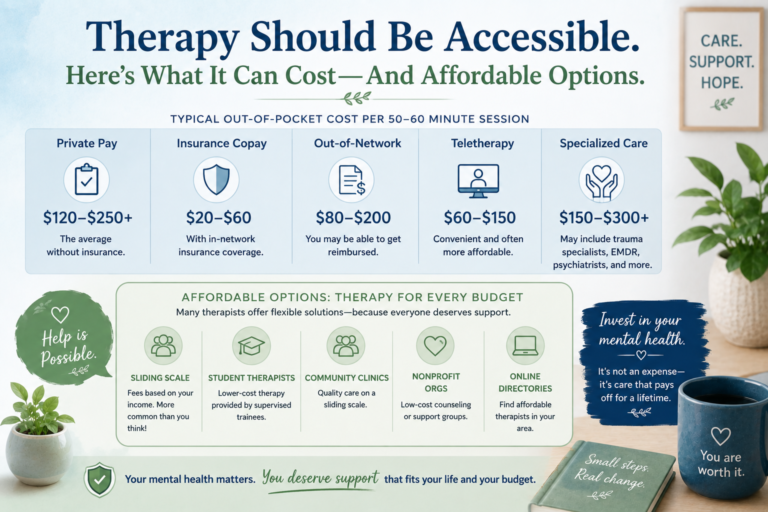
If your employer does not offer an EAP, check whether you qualify for free or low-cost mental health services through: community mental health centres, university training clinics (licensed therapists in supervised training at reduced cost), Open Path Collective (sliding scale $30 to $80/session) or Medicaid if your income qualifies.
Medical Disclaimer: Information on TherapyInsuranceGuide.com is for educational purposes only. EAP benefits vary by employer — always verify your specific benefits with your HR department.