How to Get Therapy When You Can’t Afford It
Therapy is effective, but it isn’t cheap, and not having insurance — or having insurance that doesn’t cover mental health well — shouldn’t mean going without support entirely. Here are the real, verifiable ways to get therapy when cost is the barrier.
Sliding-scale therapy
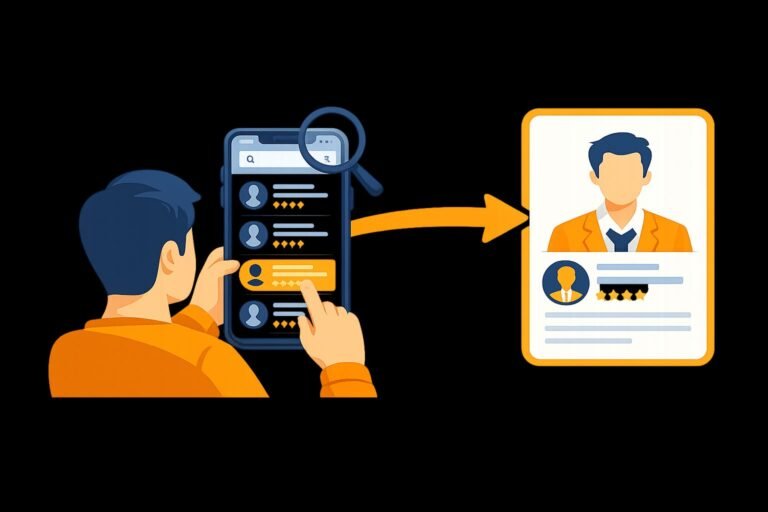
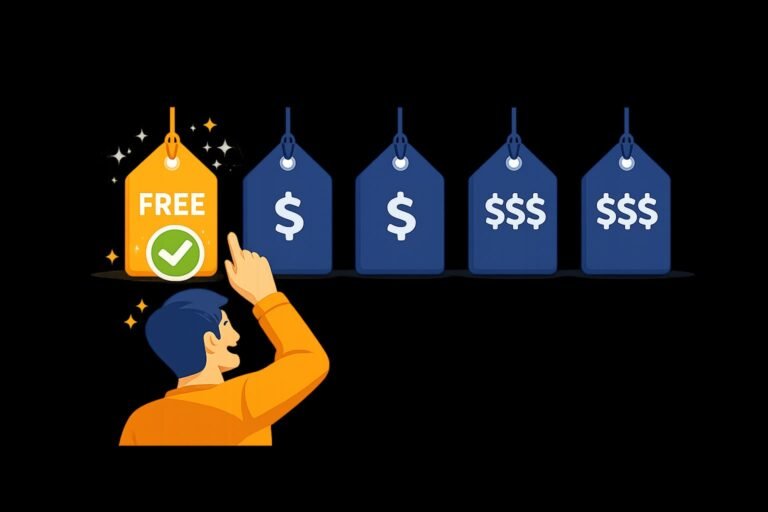
Many therapists in private practice reserve a portion of their caseload for sliding-scale clients, charging based on income rather than a flat rate. This isn’t always advertised on a therapist’s main website — it’s worth asking directly in a consultation call. Open Path Collective is a nonprofit directory specifically built around this, connecting clients with therapists offering sessions in the $30-$80 range for members who pay a one-time low membership fee.
Community mental health centers
Every county in the U.S. has access to federally funded community mental health centers, which are legally required to serve people regardless of ability to pay, using a sliding fee scale based on income. These centers can have longer wait times than private practice, but they’re a real, often underused option — SAMHSA’s national helpline (1-800-662-4357) and treatment locator can point you to the nearest one.
Training clinics
Universities with graduate psychology, counseling, or social work programs often run low-cost training clinics where sessions are conducted by supervised graduate students under a licensed psychologist’s oversight. Rates are typically far below market — often $10-$40 per session — and the quality of care, while delivered by trainees, is closely supervised.
Employee Assistance Programs (EAPs)
If you’re employed, check whether your employer offers an EAP — many do, even at companies that don’t otherwise offer great health benefits. EAPs typically provide a set number of free counseling sessions per year (commonly 3-8), fully confidential and unconnected to your regular health insurance. See our full guide on using EAP benefits for how to find and activate this.
Online therapy at reduced rates
Some online platforms offer therapy at lower rates than typical in-person private practice, particularly for people paying out of pocket, though pricing and quality vary significantly by platform. Compare options in our cheapest online therapy roundup before committing to a subscription.
Nonprofit and condition-specific funds
Organizations focused on specific populations or conditions sometimes offer direct therapy funding or discounted referral networks — examples include the Loveland Foundation (therapy funding for Black women and girls), the Steve Fund (mental health support for young people of color), and NAMI’s local affiliates, which often maintain lists of free or low-cost resources specific to your area.
Ask your current or a prospective therapist about a payment plan
It’s a normal, common request. Many therapists would rather work out a reduced rate or payment plan with an existing client than lose them, especially mid-treatment. If cost becomes a barrier partway through therapy, say so directly rather than quietly stopping.
If you’re in crisis right now
Cost should never be a barrier to immediate crisis support. The 988 Suicide & Crisis Lifeline is free, available 24/7 by call or text, and doesn’t require insurance or income verification of any kind.
Low-Cost Ways to Find Care
Options include community mental health centers, sliding-scale therapists who adjust fees to income, training clinics run by universities where supervised students provide therapy, employer assistance programs, and nonprofit organizations. You can search for treatment providers through the federal FindTreatment.gov locator. Ask any provider about payment plans and fee reductions.
Making Limited Sessions Count
Bring a short list of goals, practice skills between sessions, and ask your therapist about self-help resources and support groups that can supplement care.
Frequently Asked Questions
Can I use insurance to lower the cost? Check whether you have mental health benefits and whether the provider is in network.
What is a sliding scale? A fee that varies based on income.
Are online therapy platforms cheaper? Sometimes, but compare quality and privacy.
If you or someone you know is in crisis, call or text 988 in the United States to reach the 988 Suicide and Crisis Lifeline.
This article is general information about insurance and is not medical, legal, or financial advice. Coverage varies by plan and state, so confirm details with your insurer.