How to Find a Therapist: Step-by-Step Guide for 2026
Finding the right therapist is one of the most important mental health decisions you can make — and one of the most confusing to navigate. The combination of insurance complexity, credential confusion, and the deeply personal nature of the decision stops many people before they even start. This guide gives you a clear, step-by-step process from “I think I need therapy” to “I have my first appointment.”
Step 1: Clarify What You’re Looking For
Before searching, spend a few minutes clarifying your goals. You don’t need a precise diagnosis — but having a sense of what you’re hoping to work on makes finding the right therapist significantly easier.
Consider: What concerns are bringing you to therapy? (anxiety, depression, relationship issues, trauma, life transitions, grief, etc.) Are there specific preferences that matter to you? (therapist gender, cultural background, religious sensitivity, LGBTQ+ affirmative practice, age range) Do you have a preference for therapy format? (in-person, video, or either)
Step 2: Decide How You’ll Pay
This shapes your search significantly. Options:
- Insurance: If you have coverage, search for in-network therapists. Check our guide to does insurance cover therapy to understand your benefits first.
- Out-of-pocket: Search for sliding scale therapists, community mental health centers, or training clinics. See how much therapy costs without insurance for all the affordable options.
- Online platform: Consider BetterHelp or Talkspace for convenience and potential cost savings.
Step 3: Use the Best Search Resources
For In-Network Therapists
- Your insurer’s provider directory: Log in to your insurance member portal and use the provider search for “behavioral health” or “mental health” specialists. Filter by zip code, accepting new patients, and telehealth availability.
- Grow Therapy / Headway: Both platforms specialize in connecting patients with in-network therapists and are often more accurate than insurer directories.
For Self-Pay / Sliding Scale
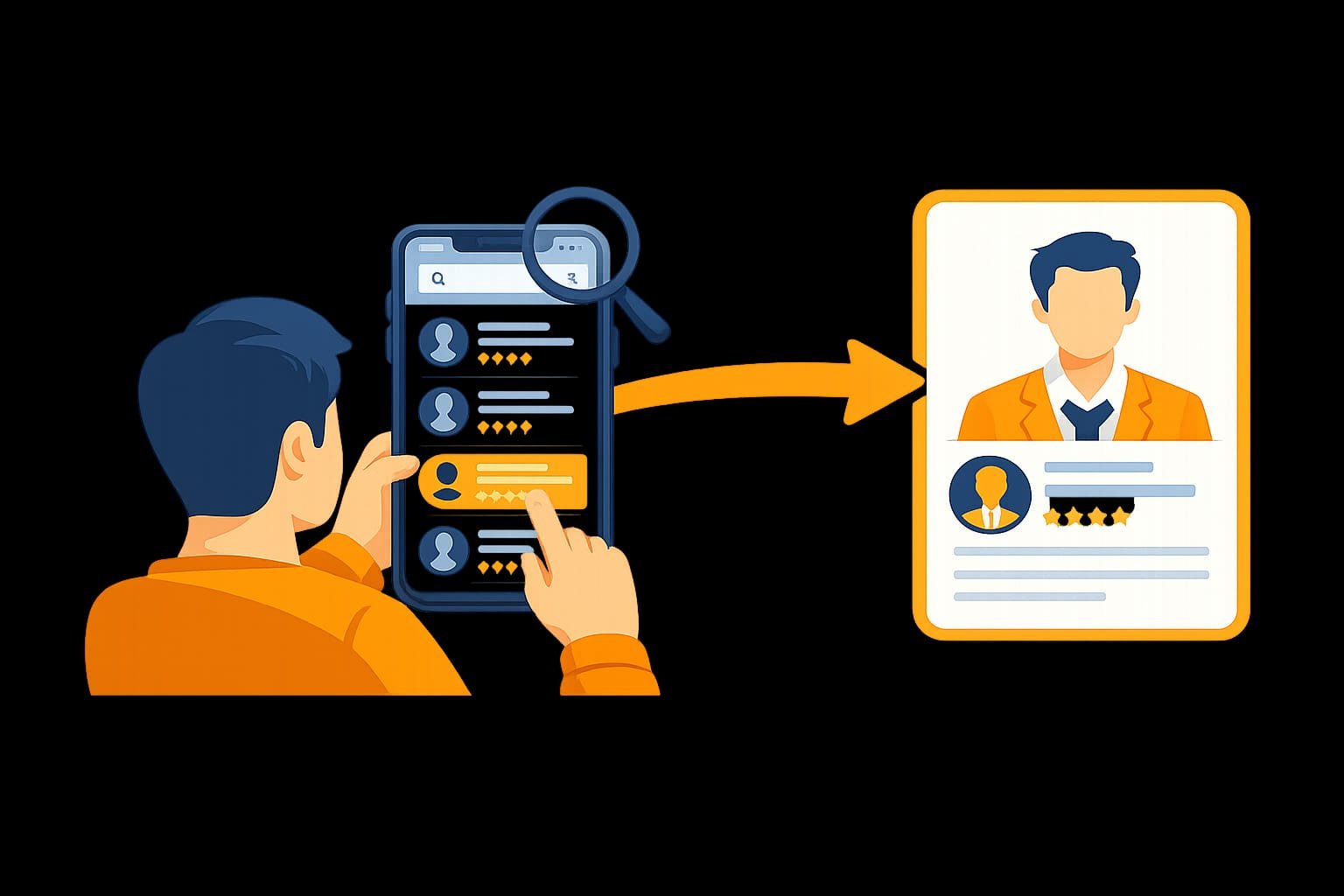
- Psychology Today Therapist Finder (psychologytoday.com/us/therapists): The largest therapist directory. Filter by issue, insurance, cost, location, and identity. Therapist profiles include photos, specialties, and personal statements.
- Open Path Collective (openpathcollective.org): Licensed therapists offering $30–$80 sessions for financial hardship cases.
- TherapyDen (therapyden.com): Particularly good for finding therapists who specialize in LGBTQ+ issues, BIPOC clients, and social justice-oriented therapy.
- SAMHSA Behavioral Health Treatment Locator (findtreatment.gov): For finding community mental health centers and sliding scale options.
Step 4: Narrow to 3–5 Candidates
From your search results, select 3–5 therapists whose profiles resonate. Look for: specialties that match your concerns, an approach that sounds compatible with your personality (more structured CBT vs more exploratory psychodynamic), a therapist demographic background that matters to you, and positive “gut feeling” from reading their profile or bio.
Step 5: Contact Them and Ask the Right Questions
Email or call each therapist. Many offer a free 15-minute consultation call. Questions worth asking:
- “What is your experience working with [your specific concern]?”
- “What therapeutic approaches do you use?”
- “What does a typical session look like?”
- “Do you have availability for [frequency you’re looking for]?”
- “What is your cancellation policy?”
- “Do you accept [your insurance] and what would my out-of-pocket cost be?”
Note how they respond to your questions — do they make you feel heard and comfortable? That interaction already tells you something about the therapeutic relationship.
Step 6: Try It — and Switch If It’s Not Right
Give your first therapist 3–4 sessions before evaluating the fit. The first session is often primarily information gathering and rarely representative of ongoing therapy. If after 4 sessions you don’t feel a connection, switching is not only acceptable — it’s recommended. Staying with a therapist you don’t trust or feel comfortable with actively undermines the therapeutic process.
Understanding Therapist Credentials
| Credential | Full Name | Can Prescribe? |
|---|---|---|
| MD/DO | Psychiatrist | Yes |
| PhD/PsyD | Psychologist | No (most states) |
| LCSW | Licensed Clinical Social Worker | No |
| LPC/LPCC | Licensed Professional Counselor | No |
| LMFT | Licensed Marriage & Family Therapist | No |
Frequently Asked Questions
How long does it take to find a therapist?
With insurance, finding an in-network therapist with availability can take 2–6 weeks in areas with high demand. Online platforms (Talkspace, BetterHelp) typically match within 24–48 hours. If you need to start quickly, an online platform while waiting for an in-person provider is a practical approach.
What if no therapists in my area accept my insurance?
Request a network adequacy review from your insurer — they are legally required to provide access to in-network mental health care within reasonable distance and wait time standards. If they can’t, they must authorize an out-of-network provider at in-network rates. This is an underutilized right.